

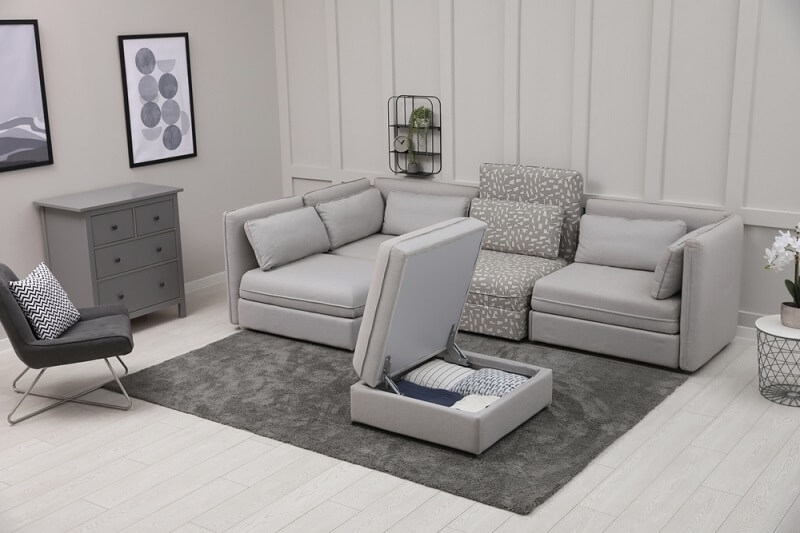
A modular sectional sofa is not just a seating upgrade. It is a layout decision. If you live in an apartment, a compact home, or a flexible open floor plan, the right sofa can change how your space works.
This guide covers how to choose a modular sectional sofa, how it compares to standard sectionals, and how to use it in small layouts. You will also get practical living room layout tips and clear buying advice so you can make a confident decision.
A modular sectional sofa is built from individual pieces called modules. Each piece connects to create a full seating system. Unlike a fixed sectional, you can rearrange these pieces into different shapes.
Common modules include:
You can create an L shape, a U shape, or even separate seating clusters. If you move to a new home, you can reconfigure instead of replacing the entire sofa.
Furniture trends over the last decade have shifted toward flexibility. According to design reports from the American Society of Interior Designers, homeowners prioritize adaptable layouts and multi use furniture.
Here is why that matters.
You can adjust your seating based on room size, guests, or changing needs.
Separate pieces are easier to carry through stairwells and elevators.
You can add modules later instead of buying a new sofa.
You can create defined seating areas without crowding the room.
If your space needs to adapt over time, a modular sectional sofa offers long term value.
You may also like: Best Sofa for Small Space That Combines Comfort and Style
A small space sectional must provide seating without overwhelming the room. This is where modular designs stand out.
Look for these features in a small space sectional:
For example, in a studio apartment, you can place a two piece modular sectional along a wall and add an ottoman that doubles as a coffee table. If you need more seating, you add one extra module instead of replacing the whole unit.
If you are searching for practical apartment sofa ideas, modular systems offer more flexibility than traditional couches.
Here are three layout approaches that work well.
Place the modular sectional slightly away from the wall to define the living area in an open apartment.
Separate modules into two smaller seating sections if you need a reading corner and a TV area.
Choose a storage ottoman module for blankets, books, or seasonal items.
These apartment sofa ideas are especially useful in rentals where square footage is limited and every piece must serve a purpose.
Buying a modular sectional sofa requires more than choosing a color.
Record wall width, chaise depth, and walkway clearance. Leave at least 30 inches for walking paths.
Look for kiln dried hardwood frames. They last longer and resist warping.
High density foam keeps its shape better than low density options.
Performance fabrics resist stains and wear. Leather offers durability and easy cleaning. If you have pets or kids, fabric performance matters.
An L shape is the most common configuration. This L-shaped sofa guide will help you avoid common mistakes.
Stand facing the space where the sofa will go. If the chaise is on your left, it is left facing. If on your right, it is right facing.
Choose a rug large enough so the front legs of the sectional sit on it. This keeps the layout cohesive.
An L shaped layout works best with a coffee table and possibly one accent chair. Avoid overcrowding the opposite side of the room.
Do not block doorways or natural pathways.
This L-shaped sofa guide helps ensure your modular sectional sofa supports the room instead of dominating it.
Explore More: How to Choose a Sofa Bed: The Sleeper Sofa Buying Guide
Space-saving furniture is designed to maximize function without increasing clutter. A modular sectional fits this category for several reasons.
For example, in a one bedroom apartment, a modular sectional can separate the living area from the dining space without adding walls.
Even the best modular sectional sofa can look wrong if placed poorly. These living room layout tips keep things balanced.
Position the sectional toward a fireplace, TV, or large window.
Pull the sofa slightly forward to create depth.
Add a tall lamp or plant to balance the horizontal lines of the sectional.
Oversized sectionals can overwhelm small rooms. A compact small space sectional may be a better fit.
These living room layout tips prevent common layout issues and make your seating arrangement feel intentional.
Here is a quick comparison to help you decide.
Modular sectional sofa
Traditional sectional
If you move often or like rearranging your space, modular is the better choice.
Once your modular sectional sofa is in place, keep styling simple.
In smaller homes, simple styling supports the purpose of space-saving furniture rather than competing with it.
Common Mistakes to Avoid
Most layout issues come from poor planning, not the sofa itself.
Don’t Miss: Shop Amazing Budget Outdoor Furniture Weatherproof Style
A modular sectional sofa gives you flexibility, comfort, and layout control. Whether you are researching apartment sofa ideas, comparing small space sectional options, following an L-shaped sofa guide, or applying living room layout tips, modular seating offers practical advantages.
Measure carefully, choose durable materials, and prioritize function over trends. When selected thoughtfully, a modular sectional sofa becomes more than seating. It becomes the foundation of your living space.
Yes. A modular sectional sofa works well as a small space sectional because you can adjust the number of pieces and keep the footprint manageable.
Follow a clear L-shaped sofa guide, measure carefully, and leave at least 30 inches for walkways. Your layout should support movement, not block it.
Yes. A modular sectional sofa often replaces multiple seating pieces and can include storage or sleeper functions, making it efficient space-saving furniture.
This content was created by AI