

Let's face it, keeping dust off your stuff can feel like a never-ending battle. It piles up before you know it! But if you're dealing with allergies or just want a clean place, learning how to keep furniture dust free is a must. Here's the breakdown on how to win the war against dust for a cleaner, healthier home with allergy friendly furniture care.
Dust isn't just ugly; it can mess with your health. It's full of gross stuff like dead skin, pollen, pet hair, and sometimes even mold. This can set off allergies, make asthma worse, and just make your home feel yucky. Keeping dust off your furniture is important for a clean and healthy home.
Dust can also hurt your furniture, especially wood, leather, or electronics. Dust scratching on the can causes small damage. By keeping your furniture dust-free, you'll make it last and keep your place looking good.
Here are some easy tricks and a dusting guide home to help keep dust off your furniture. These simple ideas will help make cleaning easier.
The easiest trick to keep dust off furniture is covers.
Cleaning is important for keeping dust away. Make a dusting plan that includes furniture, shelves, windows, and floors. A quick wipe-down once or twice a week can really cut down on dust.
Focus on spots where dust loves, countertops and around electronics. Microfiber cloths are good here because they grab dust instead of moving it. With a plan, you'll keep your furniture dust-free and help with allergies.
Dust in the air is why dust lands on surfaces. HEPA filters for your air system can really cut down on dust on your furniture.
For wood, leather, or fabric furniture, sprays can help. These sprays make a small wall that stops dust from sticking, so cleaning is faster. Pick sprays that aren't bad for you. Spraying once a month can really help keep those spots dust-free.
Too much stuff brings more dust. Books and decorations make spots where dust can hide. Less stuff makes it easier to clean furniture. Think of this as part of your dust plan. Less stuff means less cleaning.
When you clean, the tools you use are important.
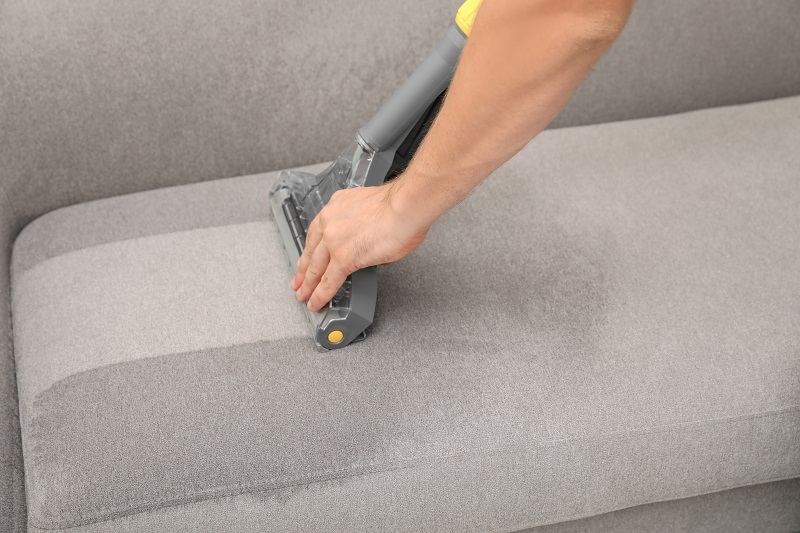
Couches trap dust, pet hair, and bad allergens. Vacuuming with a soft brush helps get these things out. It’s important if you have pets. Dust and hair can get deep down in fabrics. This helps keep furniture dust free and makes the air better.
Dust can get in through your windows. Gaps in doors and windows let dust and pollen inside. Sealing these spots can stop a lot of dust. It works with other dust tricks because it cuts down on the amount of dust floating around. It also helps with allergies by keeping outdoor stuff out.
Dust likes dry air. A humidifier helps to reduce dust. It can also help your wood furniture last longer.
Dust in your air system ends up on furniture. Cleaning vents makes sure dust is filtered out before it gets to your rooms. Put this on your cleaning list! It helps cut down on all dust.
To make dust proofing furniture easier, here’s a handy table summarizing the most effective strategies, tools, and tips. This acts as a quick reference for keeping furniture dust free and maintaining an allergy-friendly home.
| Hack / Method | How It Helps | Recommended Tools / Products | Frequency |
| Protective Covers | Creates a barrier to prevent dust settling | Slipcovers, tablecloths, dust-resistant sheets | Weekly / Monthly wash |
| Microfiber Cloth Dusting | Traps dust instead of spreading it | Microfiber cloths (dry or damp) | 1–2 times per week |
| Dust-Repellent Sprays | Repels dust from furniture surfaces | Non-toxic, eco-friendly sprays | Monthly |
| Air Purifiers & HEPA Filters | Captures airborne dust before it settles | HEPA filters, standalone air purifiers | Continuous / filter change every 3–6 months |
| Decluttering Surfaces | Reduces dust-catching areas | Storage bins, organizers | As needed |
| Vacuum Upholstery | Removes embedded dust and allergens | Vacuum with brush attachment | Weekly |
| Seal Windows & Doors | Prevents outdoor dust infiltration | Weatherstripping, caulk | Quarterly / as needed |
| Humidity Control | Limits dust accumulation in dry air | Humidifiers, hygrometers | Continuous / adjust seasonally |
| Clean Vents & Ducts | Reduces dust circulated from the HVAC system | Professional duct cleaning or DIY vent cleaning | 6–12 months |
Allergy friendly furniture care is important if you have allergies.
These ideas protect your health and keep your dust tricks working well.
Dust-fighting does more than just make things look good:
Keeping furniture dust-free keeps your home safe and happy.
Here are some mistakes most people make:
Avoid these mistakes so that you can win against dust.
Dust-proofing is not hard. Using dust tricks to clean and reduce dust, you can maintain a healthier home. Remember, you want a clean house but a happy place that’s good for you. These habits mean less time fighting dust and more time enjoying your home. By knowing about dust, you'll make a cleaner space for you and your family.
This content was created by AI