

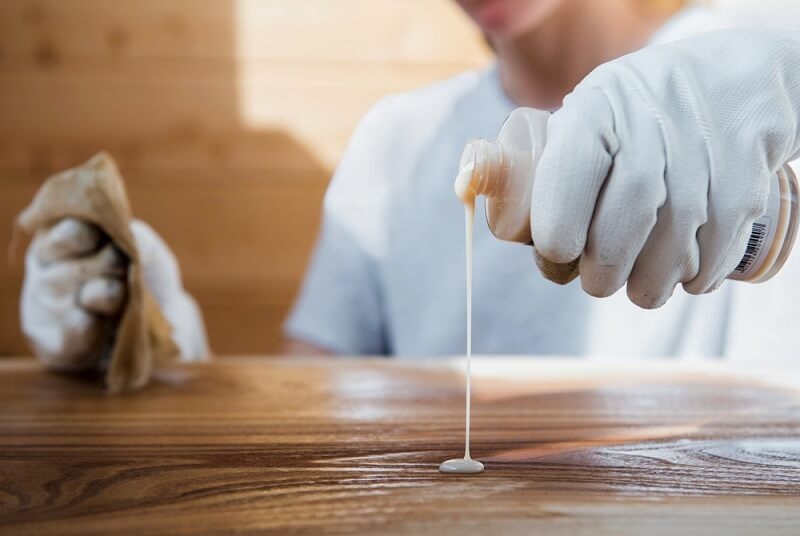
Wood furniture does not fail all at once. It dries slowly. The color fades. The surface starts feeling rough even after cleaning. Most people notice it only when the table looks tired no matter how often it is wiped.
That is usually when oiling comes up. Not Polish. Not sprays. Actual oil that goes into the wood and brings it back to life.
The problem is that most advice around wood furniture oil sounds copied, vague, or overly technical. This piece keeps it simple and practical. If you want to know the best oil for wood furniture, what actually works, and how to apply it without messing up the surface, this will answer it.
Wood loses moisture over time. Heating systems, air conditioning, sunlight, and daily use all pull oils out of the grain. Once that happens, furniture starts looking flat and dry even if it is structurally fine.
A proper wood furniture oil solves that by soaking into the wood instead of sitting on top. That matters because:
Oil is not meant to create shine. It is meant to keep the wood healthy. That is the difference most people miss.
Discover more: Extend Mattress Life and Save Money with Essential Care Tips
There is no single oil that works perfectly for everything. The best oil for wood furniture depends on how the furniture is used and where it sits.
Danish oil is what many people end up using because it is forgiving. It absorbs well, dries reasonably fast, and does not leave a plastic looking surface.
Why it works:
Where it makes sense:
If someone asks what oil to use on wood furniture and wants a safe answer, Danish oil is usually it.
Tung oil behaves differently. It cures inside the wood rather than on top of it. That makes it tougher once fully dry, but it also takes more patience.
Why people choose it:
Things to keep in mind:
Tung oil works well for tables that get real use. It is often considered one of the best oil for wood furniture pieces that deal with spills and moisture.
Linseed oil has been used for a long time. It brings warmth to the wood and deepens color quickly.
Why it is still used:
Downsides:
It works best on older pieces where the goal is character, not durability.
Teak oil is usually a blend meant for dense woods. It helps oils absorb evenly where regular oils struggle.
Best used on:
It is useful indoors and in covered outdoor spaces but still needs regular reapplication.
If choosing feels overwhelming, this helps narrow it down.
This approach keeps maintenance simple and avoids over treating the wood.
Discover more: Dust Proofing Furniture - Simple Hacks for a Cleaner Home
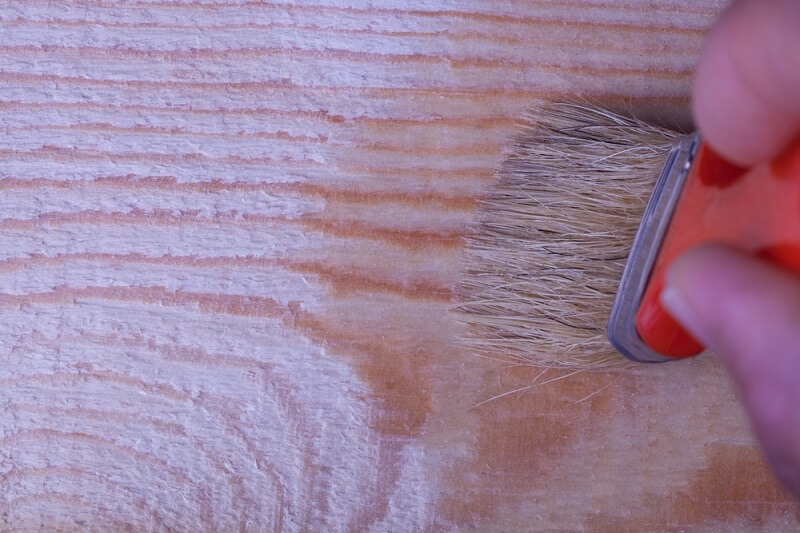
Most problems happen during application. Knowing how to oil wood furniture properly prevents sticky surfaces and uneven patches.
Dust and residue block absorption. Wipe the surface with a dry or slightly damp cloth. Let it dry fully.
If the surface feels rough, use fine grit sandpaper. Sand lightly and always follow the grain.
Pour a little oil onto a cloth, not directly on the furniture. Spread it evenly. More oil does not mean better results.
Give the oil time to soak in. Usually 15 to 30 minutes is enough.
This step matters more than people think. Any oil left on the surface will turn sticky.
Some wood needs more than one coat. Follow the drying time before applying another.
That is all oiling wood furniture should be. Simple and controlled.
These two are often mixed up.
Wood furniture oil:
Furniture polishing oil:
Furniture polishing oil is fine for quick cleanups. It does not replace real oiling. For long term care, wood furniture oil does the actual work.
Most indoor furniture does not need oil every month. Overdoing it causes buildup.
A good rule:
Signs it needs oil:
Regular oiling keeps furniture consistent and avoids refinishing later.
Also check: How to Remove Pet Hair from Furniture Like a Pro at Home
These are common and easy to avoid:
Most bad results come from rushing, not from the oil itself.
Oiling wood furniture is not about making it shine or look new again. It is about keeping the wood stable, smooth, and usable for the long run. When the right oil is used and applied correctly, furniture ages evenly instead of drying out or breaking down. The key is choosing an oil that fits how the piece is used, applying it lightly, and letting the wood absorb what it needs. Done properly, wood furniture oil becomes part of regular care, not a repair step after damage is already visible.
The best oil for wood furniture depends on use. Danish oil works well for most indoor pieces. Tung oil suits high use surfaces. Linseed oil fits antique furniture.
Most wood furniture needs oil once or twice a year. Tables and desks may need it more often depending on use.
Furniture polishing oil only improves appearance temporarily. Wood furniture oil is needed to protect and nourish the wood.
This content was created by AI